

Types of Riding Lawn Mowers
Choosing the right riding lawn mower depends on your property size, terrain, and how you like to mow. From wide open acreage to yards filled with trees and landscaping, understanding the different types of riding mowers can help you find the best balance of performance, comfort, and efficiency for your yard.
What Is a Riding Lawn Mower?
A riding lawn mower is a powered mower designed to cut grass while the operator is seated, making it easier to maintain larger lawns compared to walk-behind mowers. Riding mowers are commonly used for:
- Medium to large properties
- Yards with obstacles like trees or landscaping
- Homeowners looking for a faster, more comfortable mowing experience
Different Types of Riding Lawn Mowers
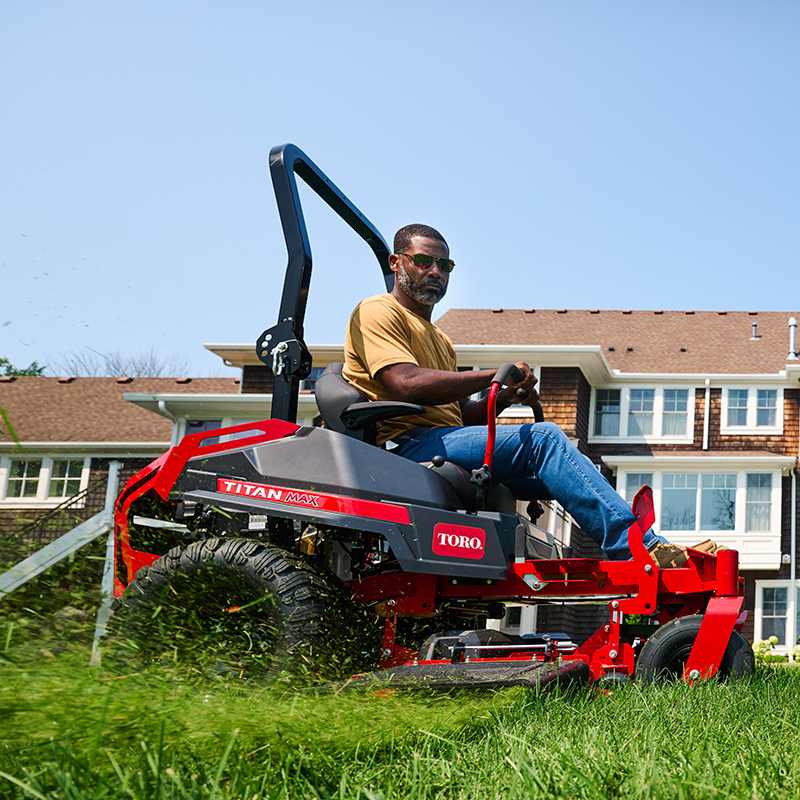
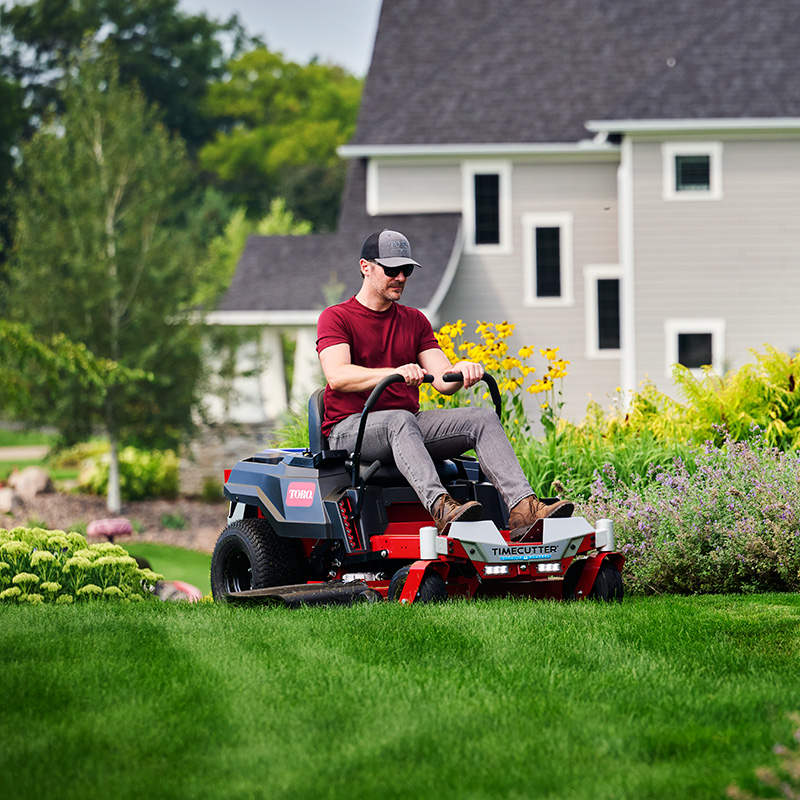
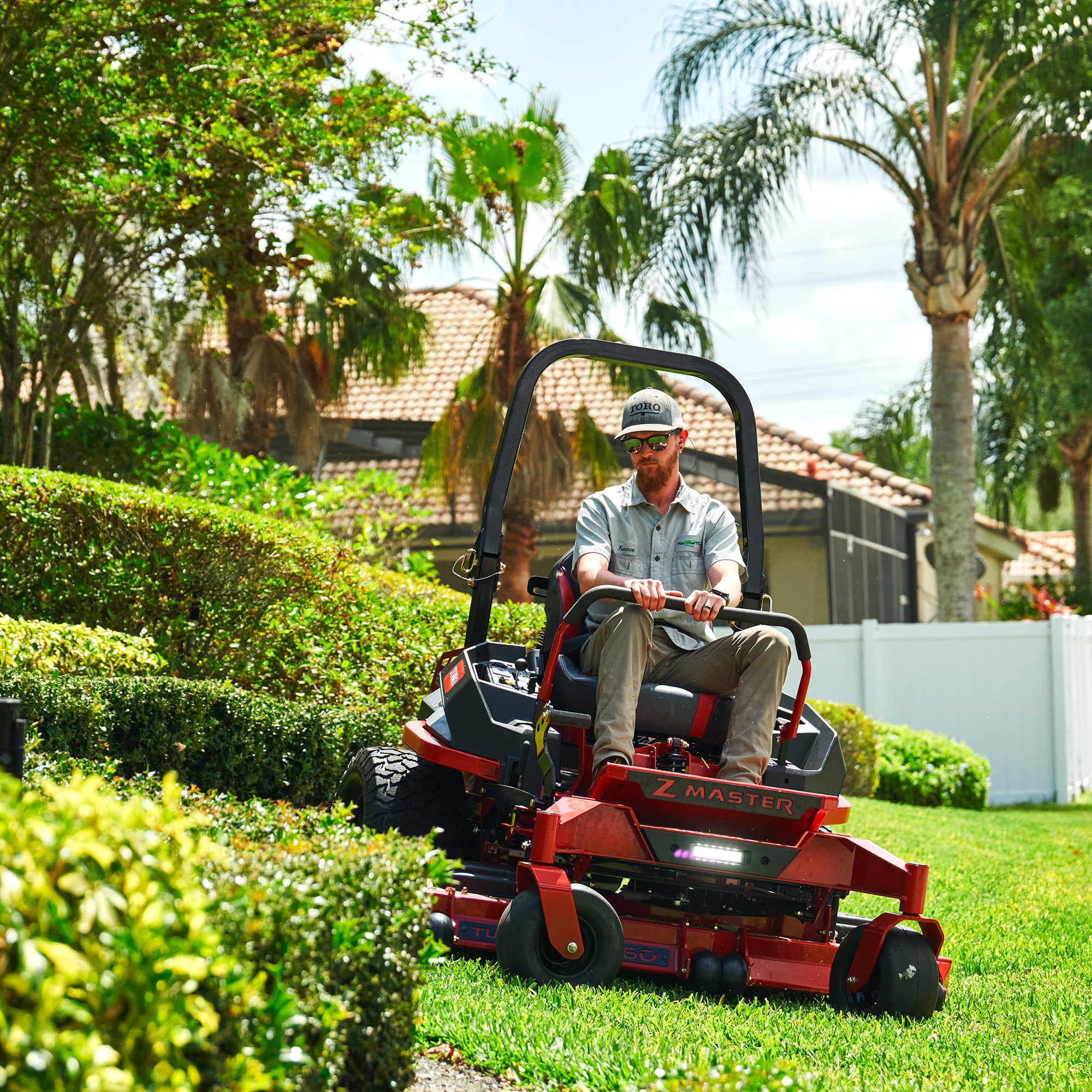
Quick Comparison of Riding Mower Types
The main differences between riding mower types come down to maneuverability, speed, yard size, and terrain.
Zero turn mowers are designed for speed and precision around obstacles
Lawn tractors are best for open, straightforward mowing
Rear engine riders are compact and suited for smaller spaces
Electric riding mowers provide quiet operation and reduced maintenance
Commercial riding mowers are built for professional-grade durability and high-use environments
Key Differences at a Glance
| Mower Type | Key Strength | Deck Size Range | Turning Capability | Yard Size | Terrain/Layout |
|---|---|---|---|---|---|
| Zero Turn Mowers | Speed + maneuverability | 42" - 60"+ | Zero-radius (tight turns) | Medium to large | Trees, landscaping, complex layouts |
| Lawn Tractors | Ease of use + versatility | 42"–54" | Wide turning radius | Medium to large | Open, flat lawns |
| Rear Engine Riders | Small footprint + easy storage | 30"–42" | Moderate turning radius | Small to medium | Simple layouts, tighter spaces |
| Electric Riding Mowers | Quiet operation + simplified maintenance | 42"–54" | Varies (often similar to gas models) | Small to medium | Residential yards |
| Commercial Riding Mowers | Durability + extended performance | 48"–72"+ | Zero-turn or wide (varies by model) | Large properties | Demanding, high-use environments |
How to Choose the Right Riding Lawn Mower
When selecting a riding lawn mower, consider the following factors:
Lawn Size: Larger properties benefit from wider cutting decks and faster mowing speeds
Terrain: Slopes, uneven ground, and obstacles can influence maneuverability needs
Obstacles: Trees, flower beds, and landscaping may require tighter turning capability
Storage: Available space may impact mower size and design preference
Comfort: Features like seat design, controls, and ride quality can affect long mowing sessions
User Frequency: Occasional use vs frequent or professional mowing needs
Features and Use Case Deep Dive
Deck Size:Cutting deck width impacts how much grass you can mow in a single pass. Larger decks are ideal for bigger properties, while smaller decks are easier to maneuver in tighter spaces.
Drive Systems:
Different riding mowers use different drive systems, such as lap bars or steering wheels, which affect how the mower handles and turns.
Electric vs Gas:
Electric and gas-powered riding mowers offer different operating experiences. Electric models provide quieter operation and simplified maintenance, while gas models are commonly used for extended sessions.
Maintenance Considerations:
Maintenance needs can vary depending on mower type and power source. Understanding basic upkeep requirements helps ensure long-term performance and reliability.
Frequently Asked Questions
Q: What type of riding mower do I need?
A: The right type depends on your lawn size, terrain, and layout. Properties with obstacles may benefit from more maneuverable options, while open lawns may be well-suited for traditional riding mowers. Comparing mower types can help narrow down the best fit for your property.
Q: Is a zero turn mower better than a lawn tractor?
A: Each mower type is designed for different use cases. Zero turn mowers are optimized for maneuverability, while lawn tractors are suited for open, straightforward mowing.
Q: Are electric riding mowers comparable to gas models
A: Electric riding mowers are designed to deliver strong performance for residential use while offering quieter operation and simplified maintenance. The right choice depends on your mowing needs and preferences.
Q: What's the difference between residential and commercial riding mowers?
A: Residential riding mowers are designed for typical homeowner use, while commercial mowers are built for durability and frequent operation across larger or more demanding properties.